

First sleep wins
Bedtime progesterone often shows up in sleep quality within the first few nights.
Estradiol is the dominant estrogen during your reproductive years. As ovarian production declines in perimenopause and menopause, supplementation restores hormone signaling to the brain, bones, blood vessels, and skin — addressing symptoms at the source rather than treating them one by one.
Estradiol falls sharply through perimenopause — and many of the symptoms we treat trace back to that drop. Restoring it is the most direct intervention we have.
Every body is different. These are the patterns we see most often across thousands of women on this protocol.
Bedtime progesterone often shows up in sleep quality within the first few nights.
Frequency drops noticeably. Night sweats become rare or stop entirely.
Cognitive symptoms — fog, word-finding, mood reactivity — typically stabilize over 8–12 weeks.
Bone, vascular and brain protection accumulate as long as you stay on the right plan.
We ask the questions a thoughtful menopause clinician would. 5 minutes, no jargon.
A US-licensed clinician designs your protocol — pill or patch, progesterone if needed, vaginal estradiol if symptoms call for it.
Free shipping, dose adjustments and provider messaging are part of the plan.
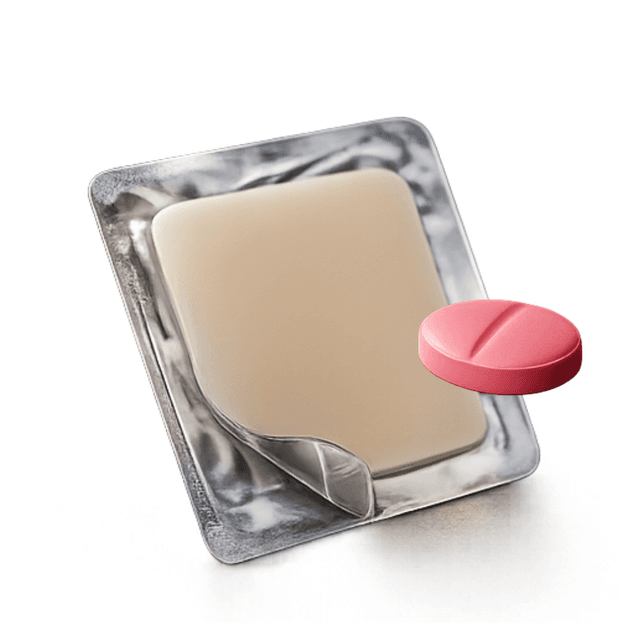
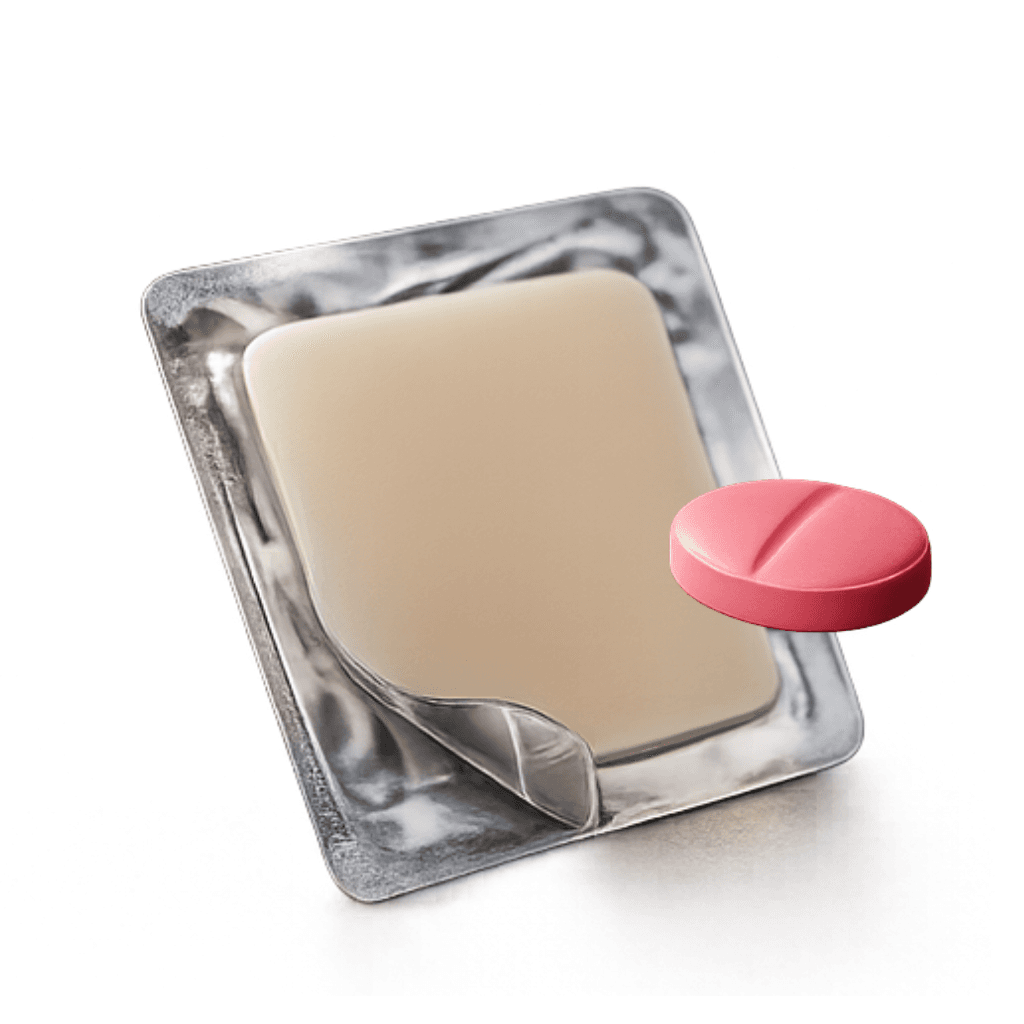
Patches deliver estradiol through the skin and bypass the liver, with a slightly safer profile for clot risk. Pills are simpler and typically cheaper. Your provider will recommend based on your medical history.
Hot flashes and sleep often improve within 2–4 weeks. Mood and cognitive benefits typically develop over 2–3 months.
Modern bioidentical HRT, started near menopause onset and prescribed individually, has a favorable risk profile. The outdated 2002 WHI study used different formulations and doses; recent evidence is reassuring.