
Recommended
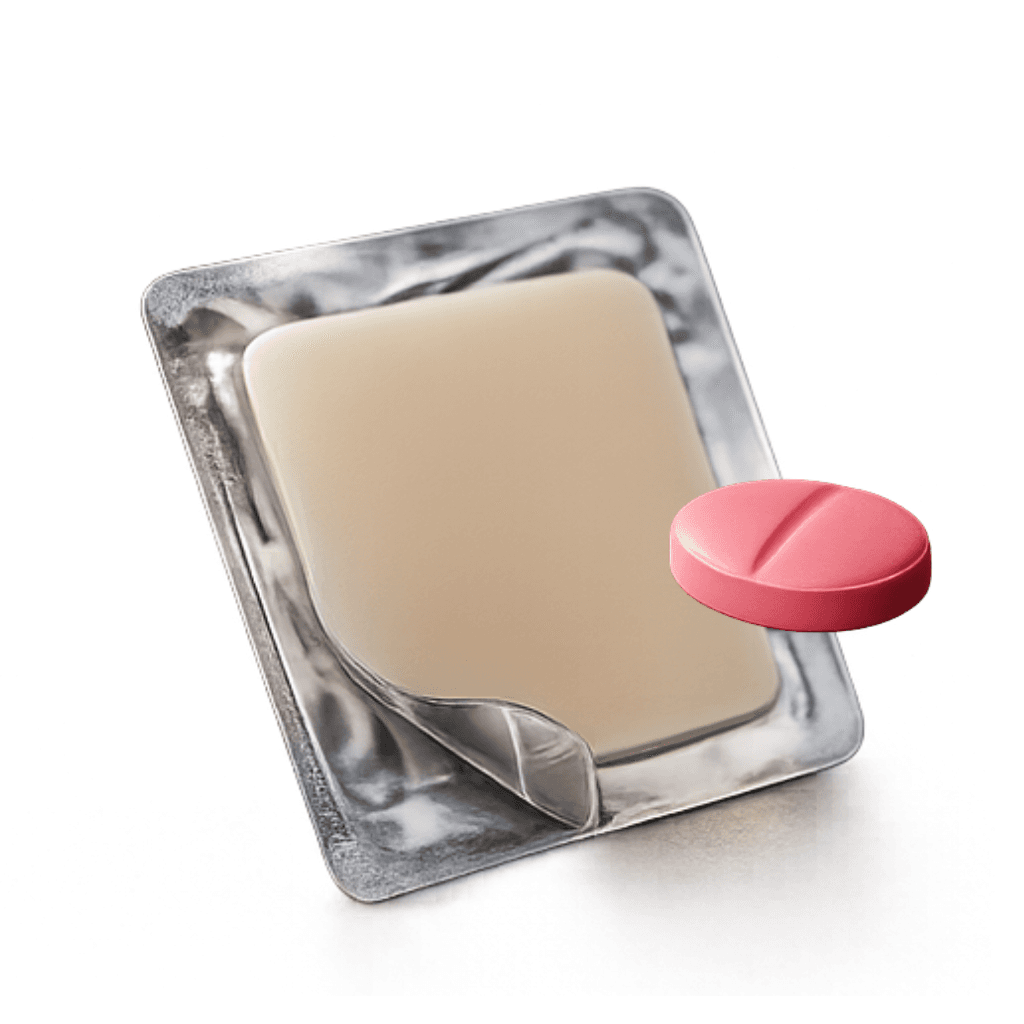
Estradiol pill or patch
The foundation of modern HRT — relieves hot flashes, sleep, and mood symptoms.
Libido in midlife is multifactorial. Hormones, sleep, mood, and tissue health all play in. Treating the hormonal layer often opens the door for everything else to improve.
Estradiol decline affects desire and arousal
Vaginal tissue changes make sex less comfortable
Sleep, mood, and energy all influence desire
Estradiol — the dominant estrogen during your reproductive years — drops sharply through perimenopause and menopause. Most of the symptoms we treat trace directly to this curve.
Systemic estradiol addresses desire and arousal. Vaginal estradiol restores tissue comfort. Many women need both — your provider will tailor the combination.
The foundation of modern HRT — relieves hot flashes, sleep, and mood symptoms.
No clinic visits. No insurance hoops. A licensed clinician reads your full picture before they prescribe anything.
5 minutes, in plain language. Symptoms, history, goals — everything a thoughtful provider would ask.
A US-licensed clinician reads the whole assessment and builds a plan around the symptoms you actually have.
Medication ships free. Adjustments, messaging and provider support are part of the plan.